
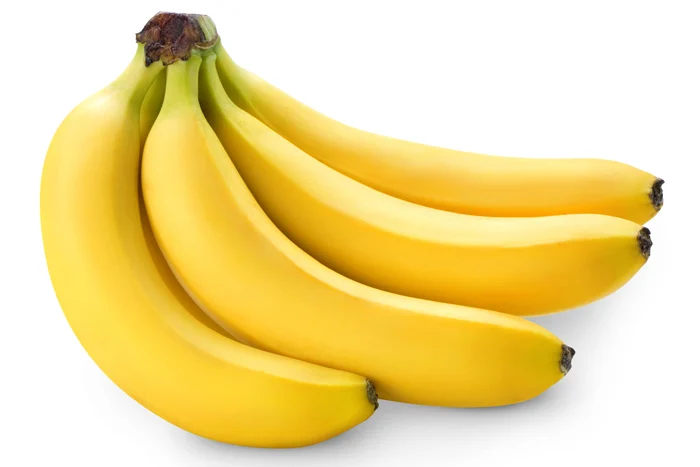
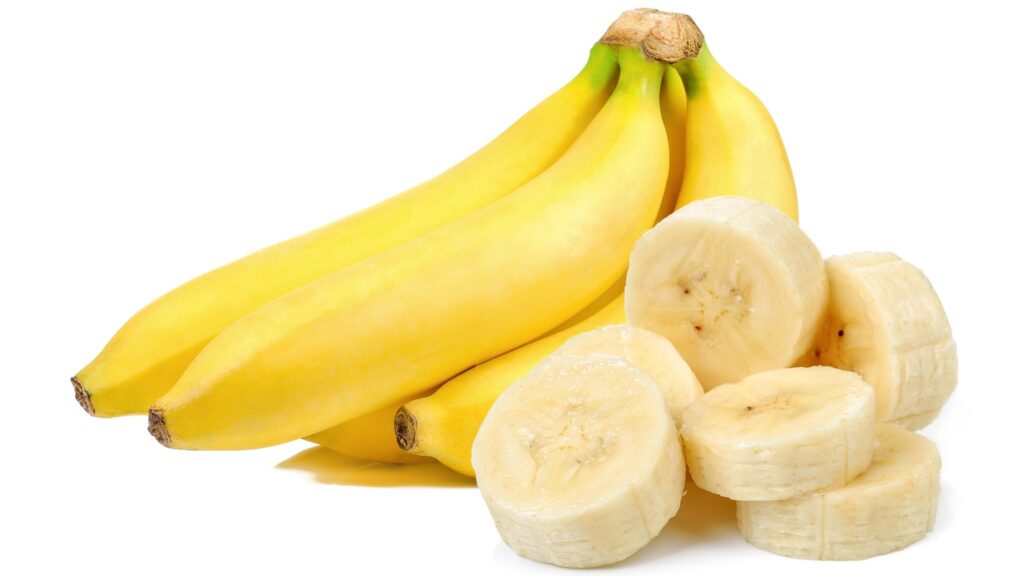
Banana
Enquire on WhatsAppFresh Indian bananas selected for consistent quality and dependable supply, suitable for supermarkets, retailers and wholesale markets in Dubai.
Indian Bananas: Fresh, Versatile and Naturally Nutritious
India is one of the world’s major banana-producing countries, and bananas are an important fruit in Indian agriculture, food culture and domestic markets. The country grows a wide range of banana cultivars, reflecting different regional climates, tastes and culinary uses. Unlike the internationally familiar Cavendish, many Indian varieties are used both as dessert fruits and for cooking. FAO notes that banana diversity includes dessert and cooking types, with India among the largest producers for domestic consumption.
Indian bananas are valued for their natural sweetness, soft texture and convenience. They can be eaten fresh, added to breakfast meals and smoothies, or used in desserts and traditional preparations. Some varieties are also cooked when unripe, making banana a particularly versatile crop. In India and other parts of Asia, different parts of the banana plant can also be used as food or for other purposes, depending on the variety and local traditions.
For fresh-produce buyers and importers, banana quality depends on factors such as cultivar, maturity, harvesting, handling and transportation. Bananas are climacteric fruit, so they continue to ripen after harvest. Careful handling throughout the supply chain is therefore important for maintaining appearance, texture and shelf life.
Nutritional Value of Banana
Raw banana provides carbohydrates, dietary fibre, vitamins and minerals. A standard nutritional reference for 100 g of raw banana gives approximately 89 kcal, 22.8 g carbohydrate, 2.6 g dietary fibre and 1.1 g protein. It is naturally very low in fat and sodium.
Key Nutrients and Naturally Occurring Components
- Potassium – approximately 358 mg per 100 g; potassium is an important mineral involved in normal muscle and nerve function.
- Vitamin B6 – bananas provide vitamin B6, which is involved in normal energy metabolism and several physiological processes.
- Vitamin C – approximately 8.7 mg per 100 g, contributing to normal immune function and antioxidant protection.
- Dietary Fibre – around 2.6 g per 100 g, contributing to a varied, balanced diet and normal digestive function.
- Folate (Vitamin B9) – about 20 µg per 100 g in the referenced raw banana data; folate is involved in normal cell division and other biological processes.
- Magnesium – approximately 27 mg per 100 g, an essential mineral involved in normal muscle and nerve function.
- Manganese – present in smaller quantities and contributes to normal metabolic and antioxidant processes.
- Carbohydrates and natural sugars – approximately 22.8 g carbohydrate and 12.2 g sugars per 100 g, providing a naturally available source of energy.
- Protein – approximately 1.1 g per 100 g.
- Calcium and phosphorus – bananas contain smaller amounts of these minerals, which are involved in normal body functions and bone-related processes.
- Water – raw banana is approximately 75% water, contributing to its soft, moist texture.
Indian Banana for Fresh Produce Markets
The strength of Indian bananas is not limited to nutrition. India’s diverse growing regions support multiple cultivars with different sizes, flavours, textures and uses. Research on banana production in India has included locations such as Gujarat, Maharashtra, Kerala, West Bengal, Odisha and Assam, reflecting the crop’s broad geographic cultivation base.
For buyers seeking fresh Indian bananas, consistent sourcing, suitable maturity, careful packing and reliable logistics are important considerations. With the right handling from farm to destination, Indian bananas can serve both fresh-fruit markets and food-service requirements.
For Farm Foodstuff, Indian bananas can therefore be presented not simply as a common fruit, but as a versatile fresh produce option supported by India’s wide cultivar diversity, agricultural experience and established domestic production base.