
Mango
Enquire on WhatsAppAuthentic Indian mangoes, including popular regional varieties, selected for rich flavour, aroma and natural sweetness for UAE buyers.
Indian Mango
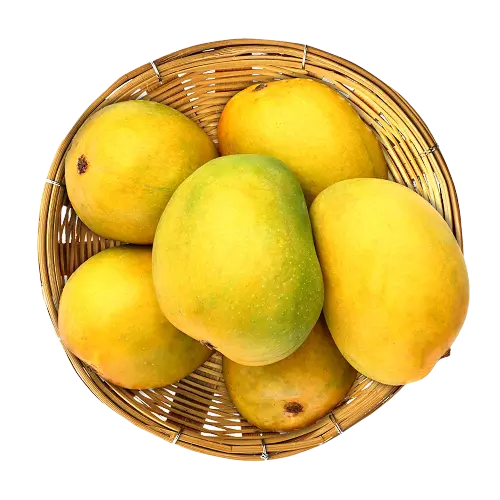
Indian mango, scientifically known as Mangifera indica, is one of the country’s most important tropical fruits and is widely known for its distinctive sweetness, aroma, colour and rich flavour. India is home to around 1,000 mango varieties, although only a smaller number are cultivated commercially on a large scale. Different varieties are suited to specific climatic and geographical conditions, giving Indian mangoes a remarkable diversity in taste, texture, size and colour.
Major Mango-Growing Regions in India
Mangoes are cultivated across tropical and subtropical regions of India, from near sea level to elevations of around 1,500 metres. Major producing states include Uttar Pradesh, Andhra Pradesh, Bihar, Karnataka, Gujarat, West Bengal and Telangana. Maharashtra is also an important growing region, particularly for Alphonso mangoes.
Gujarat is particularly known for Gir Kesar, which is grown around the Junagadh and Gir Somnath region and is recognised for its saffron-coloured pulp, distinctive aroma and sweetness. Maharashtra is renowned for Alphonso, especially from the Konkan region, while Andhra Pradesh and Karnataka are important sources of varieties such as Banganapalli and Totapuri. Uttar Pradesh is well known for Dashehari, Langra and Chausa.
Nutritional Content
Indian mangoes are naturally rich in important nutrients and beneficial plant compounds. They provide vitamin C, beta-carotene, dietary fibre and potassium, along with antioxidants and other bioactive compounds. Mangoes also contain compounds such as mangiferin, quercetin and polyphenols. Their dietary fibre and naturally occurring enzymes can support healthy digestion, while vitamin A-related compounds and beta-carotene contribute to normal eye health.
Quality of Indian Mangoes
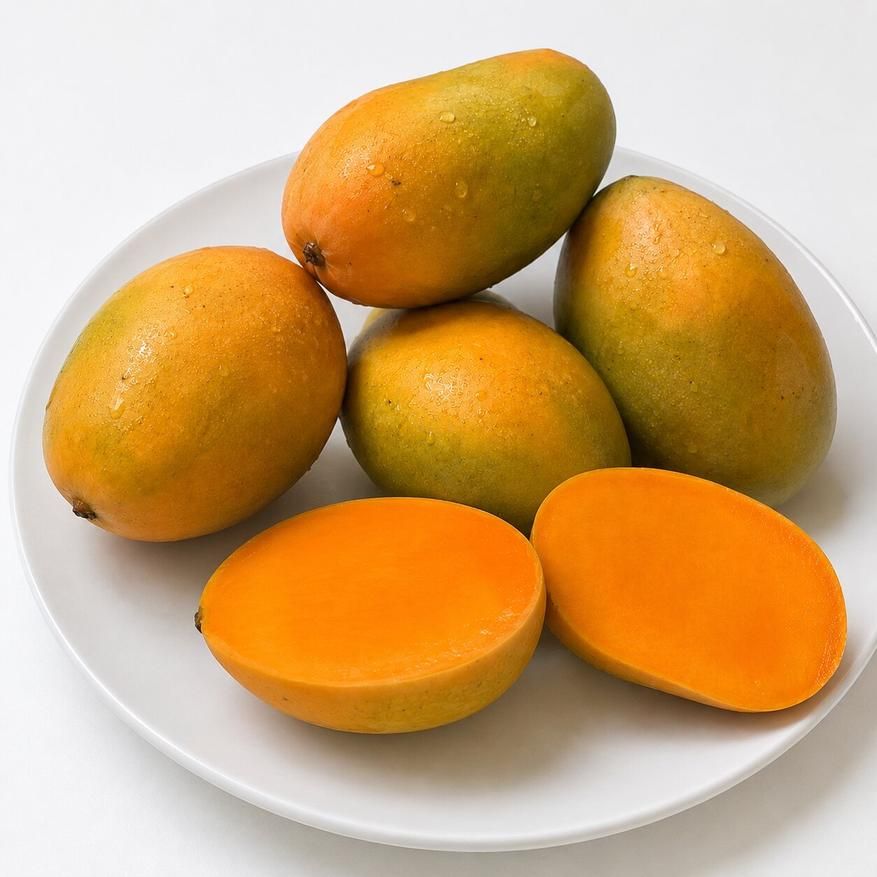
Quality depends on the variety, growing region, maturity, harvesting practices, handling and storage conditions. Premium mangoes are selected for uniform size, attractive colour, firm but properly mature flesh, good sweetness, characteristic aroma and clean appearance. Depending on the variety, the flesh may range from yellow to deep orange and can be firm, juicy and fibreless.
For fresh export markets, careful post-harvest handling is especially important. India has established modern pack houses and treatment facilities, including hot-water and vapour-heat treatment facilities, to help meet destination-country requirements. Traceability and residue-monitoring systems are also used as part of India’s export-quality framework.
At Farm Food Stuff, Indian mangoes can be sourced from established growing regions and selected according to freshness, variety, appearance, maturity and market requirements, helping customers receive quality Indian mangoes suitable for wholesale and distribution.
Indian Mango Varieties & Origin
| Mango Variety | Major Growing Region | Key Characteristics | Typical Season |
|---|---|---|---|
| Kesar | Gujarat – Junagadh, Gir Somnath | Saffron-coloured pulp, sweet flavour, pleasant aroma | April – June |
| Alphonso | Maharashtra – Konkan region | Rich flavour, smooth texture, aromatic, relatively fibre-free | April – June |
| Banganapalli | Andhra Pradesh, Telangana | Large fruit, yellow skin, firm and sweet flesh | April – June |
| Totapuri | Karnataka, Andhra Pradesh, Tamil Nadu | Elongated shape, firm flesh, mildly sweet and slightly tangy | May – July |
| Dashehari | Uttar Pradesh | Sweet, aromatic, soft and generally fibre-free flesh | June – July |
| Langra | Uttar Pradesh, Bihar | Distinctive flavour, juicy flesh and green skin even when ripe | July – August |
| Chausa | Uttar Pradesh, Bihar | Very sweet, juicy and aromatic with deep yellow flesh | July – August |