
Yam (Suran)
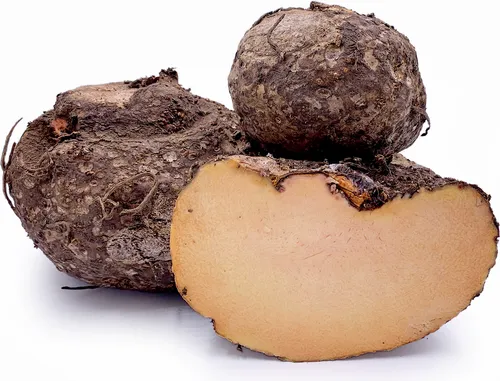
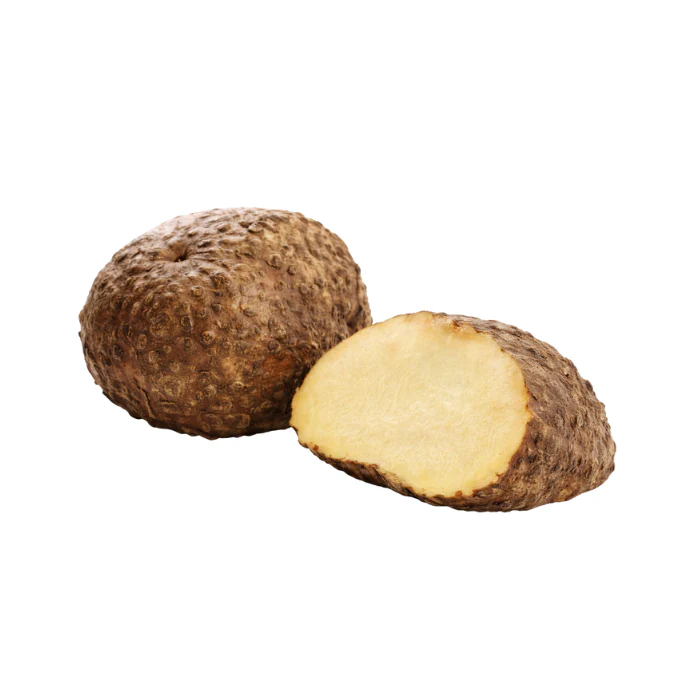
Enquire on WhatsAppIndian Yam (Suran), also known as Elephant Foot Yam, valued for its firm texture and versatility in traditional and commercial cooking.
Indian Yam, commonly known as Suran, Elephant Foot Yam or Jimikand, is an important tropical tuber crop cultivated and consumed in many parts of India. Its scientific name is Amorphophallus paeoniifolius. The edible part is the underground corm, which has a starchy texture and is widely used as a vegetable in Indian cuisine. Suran is valued for its versatility, good productivity and suitability to tropical and subtropical growing conditions.
Where is Suran Grown in India?
Elephant Foot Yam is cultivated across several agricultural regions of India. Major growing states include Andhra Pradesh, West Bengal, Gujarat, Kerala, Tamil Nadu, Maharashtra, Uttar Pradesh and Jharkhand. It is also grown in parts of Odisha, Chhattisgarh and the North-Eastern states. ICAR identifies these regions among the important areas where Elephant Foot Yam is grown for edible purposes.
The crop performs well in tropical and subtropical climates and generally prefers well-drained soils, including sandy loam soils. It can also tolerate some shade, which makes it suitable for certain intercropping systems and different farming environments.
Suran from Gujarat and Other Regions
Gujarat is one of the recognised Indian states for Elephant Foot Yam cultivation. The crop is also grown commercially in Maharashtra and several southern and eastern states. Different growing regions and varieties can result in differences in corm size, skin appearance, flesh colour, texture and cooking characteristics.
Nutritional Content
Suran is a starch-rich vegetable and provides carbohydrates along with some protein and fat. According to ICAR-CCARI, the tuber contains approximately 18% starch, 1–5% protein and up to 2% fat. It also contains dietary fibre and minerals, making it a useful addition to a varied diet.
The corm is normally cooked thoroughly before consumption. Proper cooking helps reduce the natural acridity associated with oxalates in the raw tuber. Suran can be boiled, fried, roasted or incorporated into curries, chips, pickles and other traditional preparations.
Quality of Indian Yam
Good-quality Suran is generally selected for firmness, healthy appearance, suitable size, sound skin and freedom from visible damage, decay or excessive bruising. Proper harvesting, cleaning, grading, handling and packaging are important for maintaining freshness and reducing post-harvest losses.
At Farm Food Stuff, Indian Yam (Suran) can be sourced from trusted growing regions and selected according to freshness, size, firmness, appearance and customer requirements. Careful handling and suitable packing help maintain the quality of the product from farm to destination, making Indian Suran suitable for wholesale, distribution and fresh produce markets.